Redefining the Conversation Around Oxygen
When Nimsdai completed the historic Project Possible challenge, climbing all 14 of the world's 8,000-metre peaks in just 6 months and 6 days, many critics were quick to focus on the fact that supplemental oxygen had been used on some of the climbs. Rather than celebrating what was widely considered impossible, sections of the mountaineering community searched for reasons to diminish the achievement.
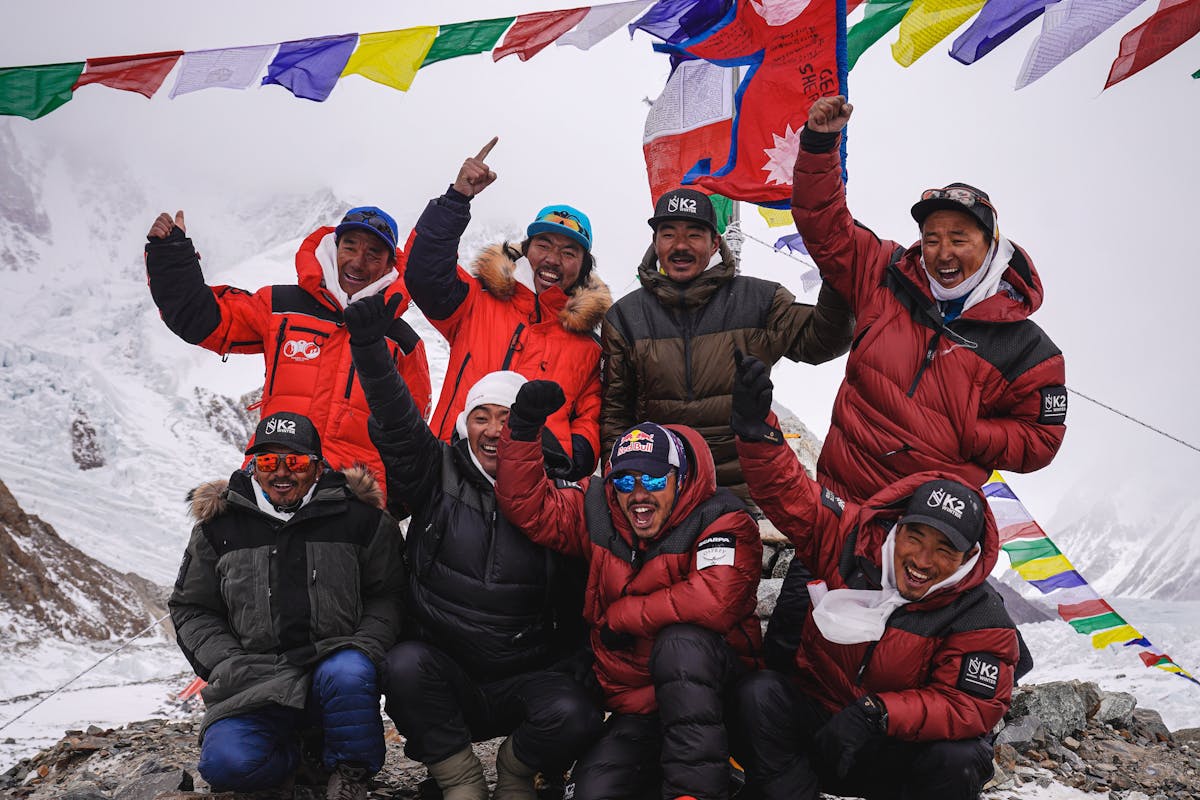
The same happened following the historic first winter ascent of K2 in 2021. Before Nimsdai had even shared the details of the climb, many assumed he had relied on supplemental oxygen. When it was later confirmed that he had summited the world's most dangerous mountain in winter without oxygen, it challenged many of those assumptions.
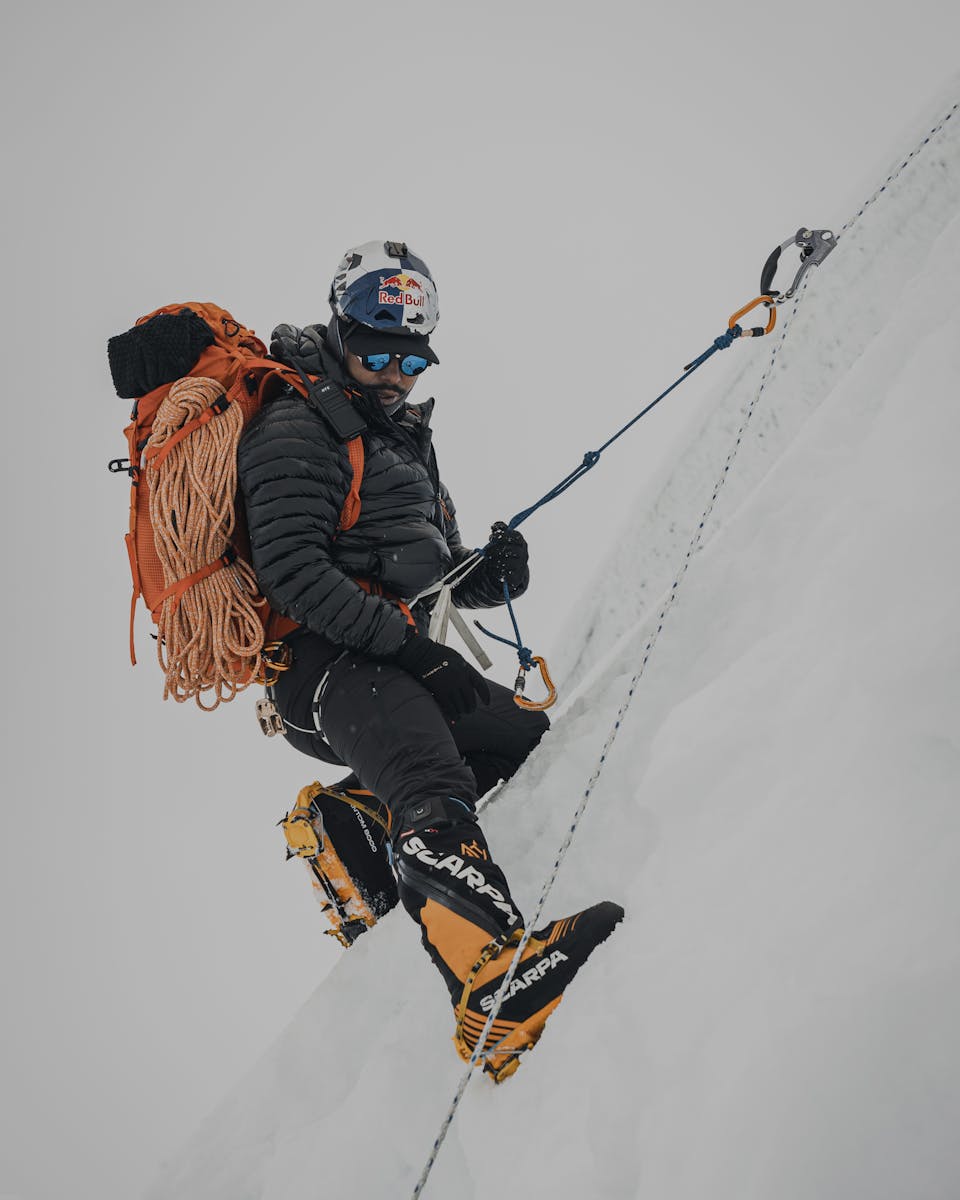
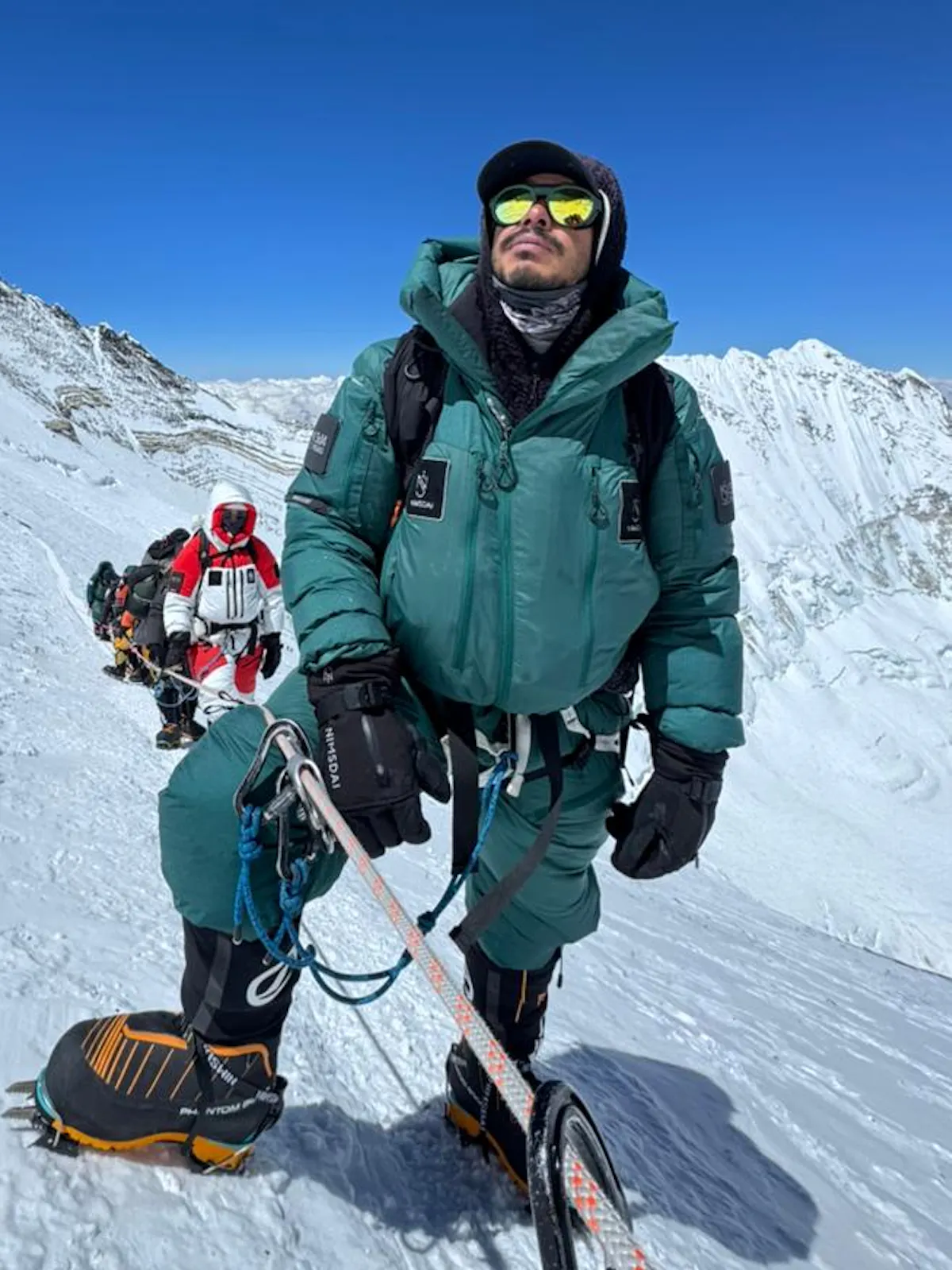
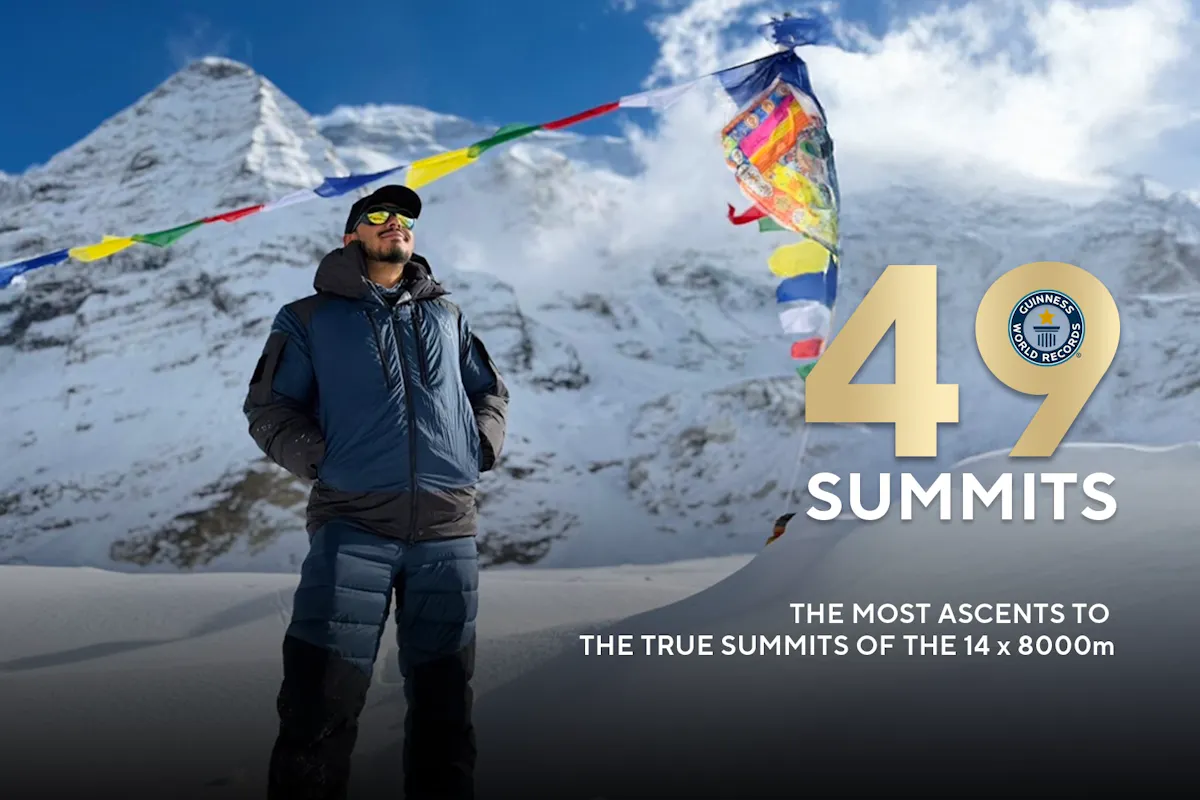
Over the years, Nimsdai continued to return to the world's highest mountains, repeatedly proving that his performances were not dependent on oxygen but on relentless preparation, physical conditioning, mental resilience, and an extraordinary ability to perform at extreme altitude. Today, with 28 successful ascents of 8,000-metre peaks without supplemental oxygen, he holds a record that no climber in history has ever achieved.
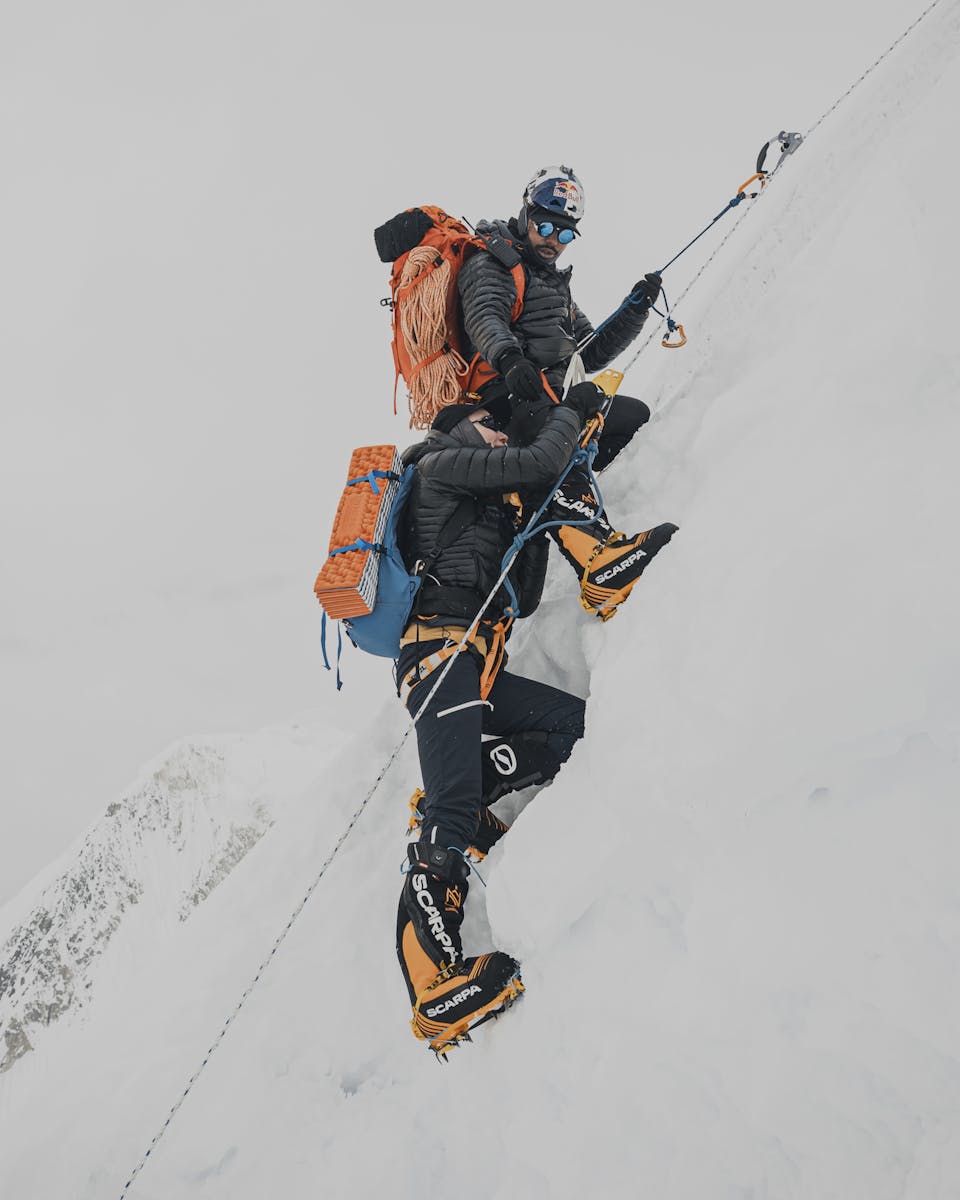
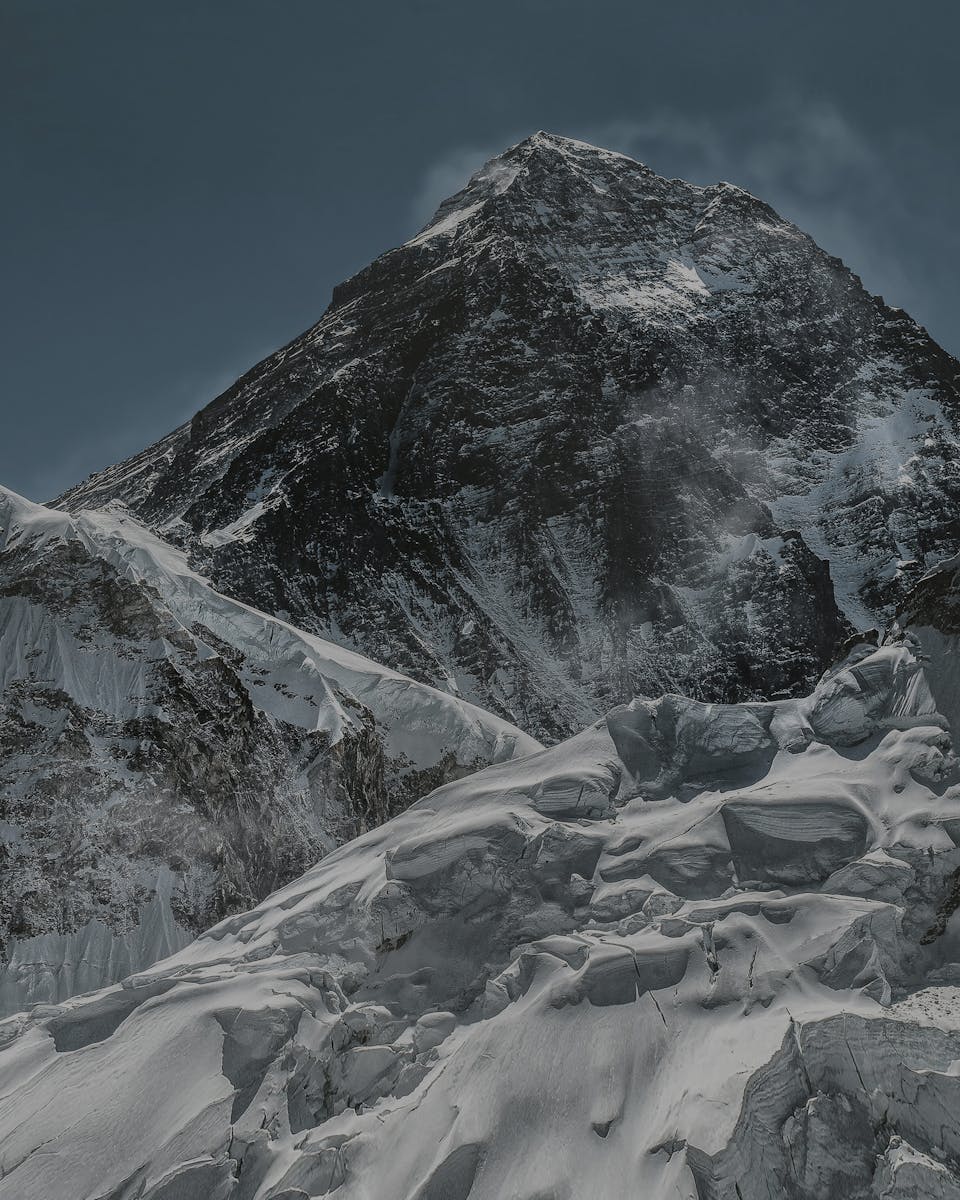
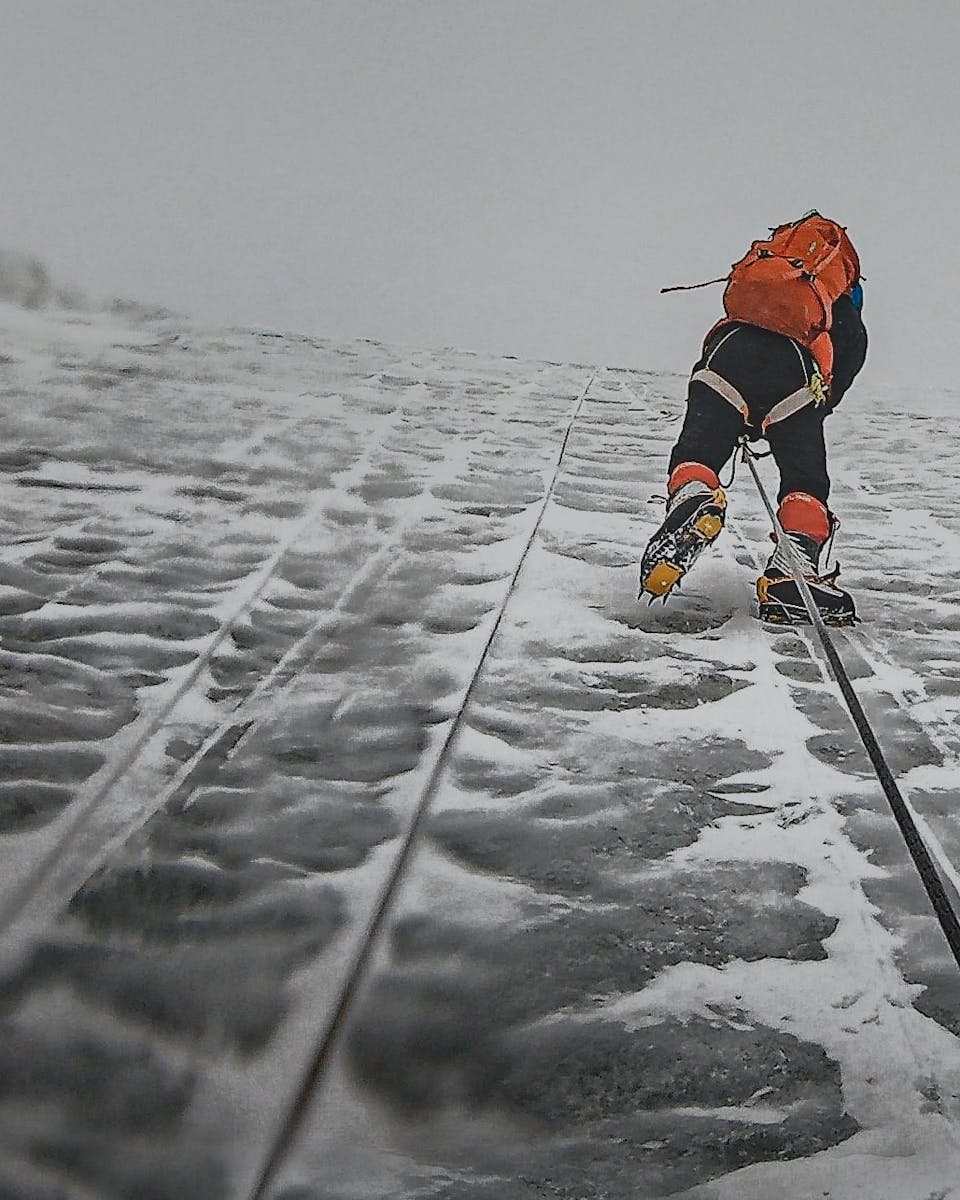
Above 8,000 metres lies the infamous "Death Zone", an environment where there is insufficient oxygen to sustain human life for extended periods. At the summit of Everest, climbers are operating with roughly one-third of the oxygen available at sea level. Every movement becomes slower. Recovery becomes harder. Decision-making becomes impaired. The body is effectively deteriorating with every passing hour spent at altitude.
Climbing in these conditions without supplemental oxygen requires exceptional fitness, years of adaptation, meticulous planning, and an ability to endure prolonged exposure to an environment that the human body was never designed to survive in.
However, it is equally important to recognise that climbing an 8,000-metre peak with supplemental oxygen remains an extraordinary mountaineering achievement. Every year, climbers dedicate years of training, make enormous personal sacrifices, and face significant objective dangers to stand on the summit of the world's highest mountains. Supplemental oxygen can reduce some of the physiological effects of extreme altitude, but it does not remove the risks posed by avalanches, crevasses, storms, technical terrain, exhaustion, or the countless variables that make high-altitude mountaineering one of the most demanding pursuits on Earth.
The mountains demand respect from everyone who steps onto their slopes, regardless of the style in which they climb. Every safe summit is earned through commitment, preparation, teamwork, and resilience.
What makes Nimsdai's 28 ascents without supplemental oxygen more remarkable is not that they diminish the achievements of others, but that they represent an additional level of difficulty on mountains that are already among the most challenging environments on the planet.
Beyond Records
Throughout his career, Nimsdai has repeatedly challenged conventional thinking about what is possible in the mountains. From completing the 14 Peaks challenge in just six months and six days, to becoming part of the historic first winter ascent of K2, to setting the fastest time to climb all 14 of the world's 8,000m peaks without oxygen, his journey has been defined by one simple belief: "Impossible is not a fact. It's an opinion."
For Nimsdai, however, the mountains have always represented something deeper than records. Reflecting on his latest Makalu summit, he described the unique clarity that exists high above the world:
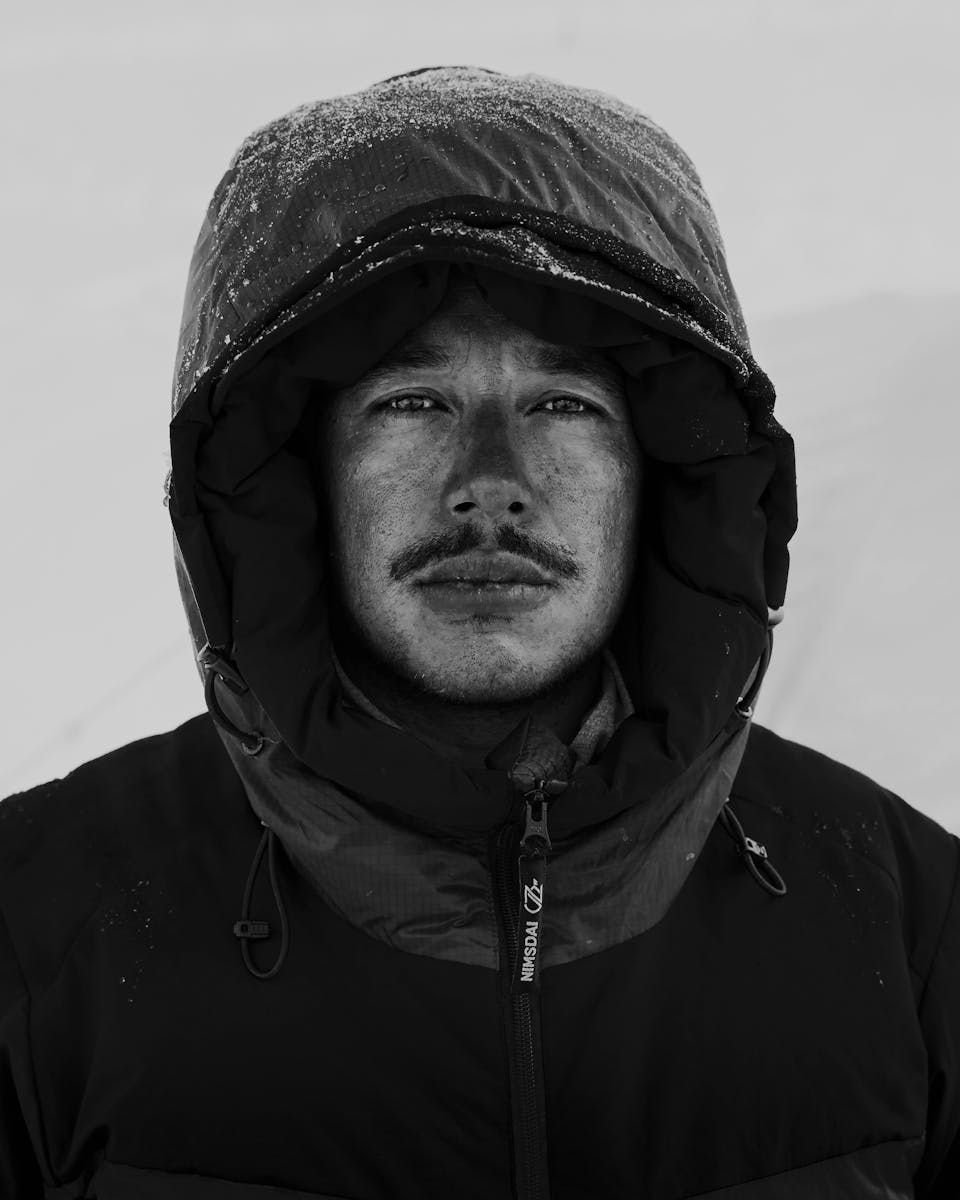
"At 8,000 metres, the world goes silent. No noise from the crowd, no opinions from the doubters. Just your heartbeat against the sky and mountains that don't care whether you make it or not."
"People ask me why I keep going into the Death Zone," he says. "Because that's where I find the truth. That's where I feel most alive. In the thin air, you meet yourself. No masks. No excuses."
As a trailblazer, Nims has consistently challenged expectations and broken barriers, faced criticism, doubt, and obstacles both on and on the mountain. Yet those experiences have only reinforced the resilience and determination that have defined his career. His message extends far beyond mountaineering: "Your mountain might not be 8,000 metres. It might be grief, failure, betrayal, or the weight of the world on your shoulders. But the rule doesn't change: one breath, one step, keep moving."
It is a philosophy that has guided him through every challenge and one that continues to inspire people around the world to pursue goals that others may consider impossible. Beyond his mountaineering achievements, Nimsdai is committed to giving back through the Nimsdai Foundation, which works to inspire, protect, and educate communities, ensuring that the impact of every expedition extends far beyond the mountains themselves.
The Journey Continues
With 56 successful ascents above 8,000 metres and 28 completed without supplemental oxygen, Nimsdai continues to push the boundaries of high-altitude mountaineering and human performance. The mountains remain the ultimate proving ground. And once again, Nimsdai has shown the world what is possible when preparation, determination, and belief come together.